
The Allure of Gambling: Understanding the Attraction
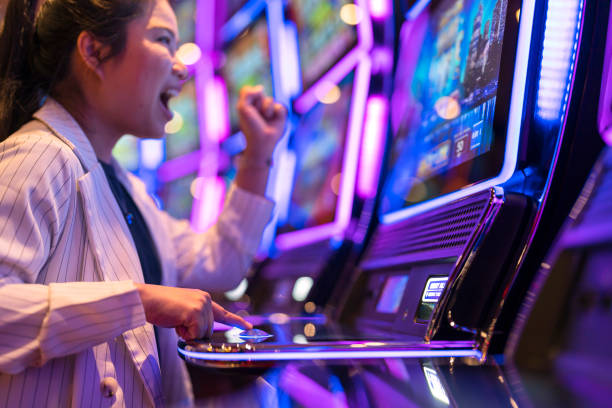
The casino environment is meticulously designed to attract players and keep them engaged for as long as possible. Bright lights, vibrant colors, and the sound of jingling coins or buzzing machines create an atmosphere of excitement and anticipation. This sensory overload can trigger immediate emotional responses, drawing in individuals seeking an escape from their daily routines, especially when exploring options like neosurf casino australia , which offer unique gaming experiences. The allure of gambling is not merely about the potential financial gain; it encompasses the thrill of risk and the allure of unpredictability.
Psychological research indicates that many individuals are hardwired to seek out novel experiences, and casinos provide this in abundance. The unpredictable nature of gambling acts as a stimulant, much like an adrenaline rush. This is further heightened by the very framework of games, which are often designed with built-in rewards, leading to a cycle of engagement. Players frequently experience a rush when they win, fostering an addictive cycle as they chase that exhilarating feeling again.
Moreover, the social aspects of gambling cannot be overlooked. Many people enjoy the camaraderie found in casinos, as it provides an opportunity to connect with others who share similar interests. The social interaction can enhance the overall experience, making it more enjoyable and memorable. Additionally, witnessing the triumphs and defeats of fellow players can evoke a sense of community, making the activity even more appealing. Overall, the combination of sensory stimulation, psychological thrill, and social engagement creates a potent mix that draws many individuals to the gaming floor.
The Role of Randomness and Risk in Gambling
Central to the psychology of gambling is the concept of randomness and its inherent appeal. Players often find themselves captivated by the idea that, despite the odds, they could be the next big winner. This randomness is a psychological double-edged sword; it generates hope and excitement, but it can also foster a false sense of control. Many gamblers fall into the cognitive trap of believing they can influence outcomes based on previous results, a phenomenon known as the “gambler’s fallacy.”
Additionally, the risk associated with gambling serves as a significant motivator for many players. The thrill of potentially losing money can create a surge of adrenaline that some individuals find irresistible. The intricate balance between risk and reward is what keeps many players returning to the tables. They are driven by the anticipation of winning big, despite the fact that the odds are often stacked against them. This cycle of risk-taking can lead to a distorted perception of reality, where the allure of the next gamble overshadows the potential consequences.

Understanding how casinos exploit this attraction to randomness and risk is crucial. Strategies like variable rewards, which provide intermittent payouts, fulfill the psychological need for uncertainty while keeping players engaged. The excitement builds with each spin of the wheel or roll of the dice, making it easy to lose track of time and money. By grasping how these psychological elements are manipulated, individuals can become more aware of their own gambling behaviors and the potential risks involved.
The Psychological Impact of Winning and Losing
The psychological ramifications of winning and losing are profound and varied. When a player hits a jackpot or experiences a significant win, they often undergo a euphoric state that reinforces their gambling behaviors. This euphoria is typically short-lived as the brain’s reward system activates, releasing dopamine, a neurotransmitter associated with pleasure. However, the subsequent losses can have the opposite effect, possibly leading to feelings of despondency or regret. Understanding this cycle is essential for recognizing how gambling can influence one’s mental health.
The way individuals process wins and losses varies significantly. Some may rationalize their losses, convincing themselves that they are merely a part of the gambling experience, while others may dwell on them, leading to increased anxiety and a desire to recoup their losses. This behavior can spiral into compulsive gambling, where the need to win back lost money becomes paramount, regardless of the negative repercussions it may have on their lives.
The temporary high of a win can also lead to what is known as “chasing losses,” where players continue to gamble in hopes of replicating their past victories. This phenomenon showcases how crucial mindset can be in gambling; it can turn a simple recreational activity into an obsessive pursuit. Recognizing these psychological patterns can empower individuals to make more informed choices about their gambling habits, fostering a healthier relationship with the activity.
The Influence of Casino Design on Gambling Behavior
Casino design plays a pivotal role in shaping gambling behavior. Architectural elements such as layout, lighting, and sound are meticulously crafted to enhance player immersion and prolong their stay. The use of bright, inviting colors in slot machines and game tables lures players in, while the absence of clocks and windows fosters a sense of timelessness. This environment can lead individuals to lose track of how long they have been gambling, encouraging them to stay longer and spend more.
The strategic placement of games can also influence player choices. High-stakes tables are often positioned prominently, drawing attention from passersby who may be enticed to join in. The idea that they might stumble upon a big win is a powerful motivator. Furthermore, the inclusion of complimentary drinks and food can create a more comfortable atmosphere, encouraging players to remain at the tables longer and often leading to increased expenditure.
Beyond the physical design, casinos create an emotional landscape that plays into the psychology of gambling. The sounds of winning bells, the cheers from successful players, and even the overall buzz of excitement contribute to an atmosphere that feels alive. This stimulation can heighten a player’s emotional involvement, leading to longer gaming sessions and a willingness to take on more significant risks. Ultimately, the intricate interplay of design and psychology creates a captivating environment that significantly influences gambling behavior.
Understanding Responsible Gambling for a Healthier Experience
Understanding the psychology of gambling is essential for promoting responsible gambling practices and ensuring a healthier experience for players. Awareness of one’s motivations and emotional triggers can empower individuals to make conscious choices rather than impulsive decisions. Recognizing the risks involved and setting personal limits can help combat the potentially harmful aspects of gambling. Education and self-awareness are crucial tools in managing one’s gambling behavior.
Various educational programs and resources aim to promote responsible gambling. These initiatives often focus on informing players about the odds, the nature of gambling as a game of chance, and the importance of self-regulation. Players are encouraged to view gambling as a form of entertainment rather than a means of financial gain, fostering a healthier mindset toward the activity.
Creating a supportive environment is also vital. Awareness campaigns targeting casino operators and patrons can foster an understanding of responsible gambling. Casinos can implement measures such as self-exclusion programs and promote resources for addiction help. Understanding the psychological underpinnings of gambling can aid in developing strategies that prioritize player well-being while maintaining the entertainment aspect of the industry.